How Fragmented Hotel Data Costs You Revenue: Fix Data Silos with Salesforce-Native CRM
Scattered hotel data across PMS, RMS, and sales platforms creates blind spots that cost millions. Salesforce-native hospitality CRM centralizes data for group booking, MICE, and venue management.
Question answered in this article:
How Fragmented Hotel Data Costs You Revenue: Fix Data Silos with Salesforce-Native CRM
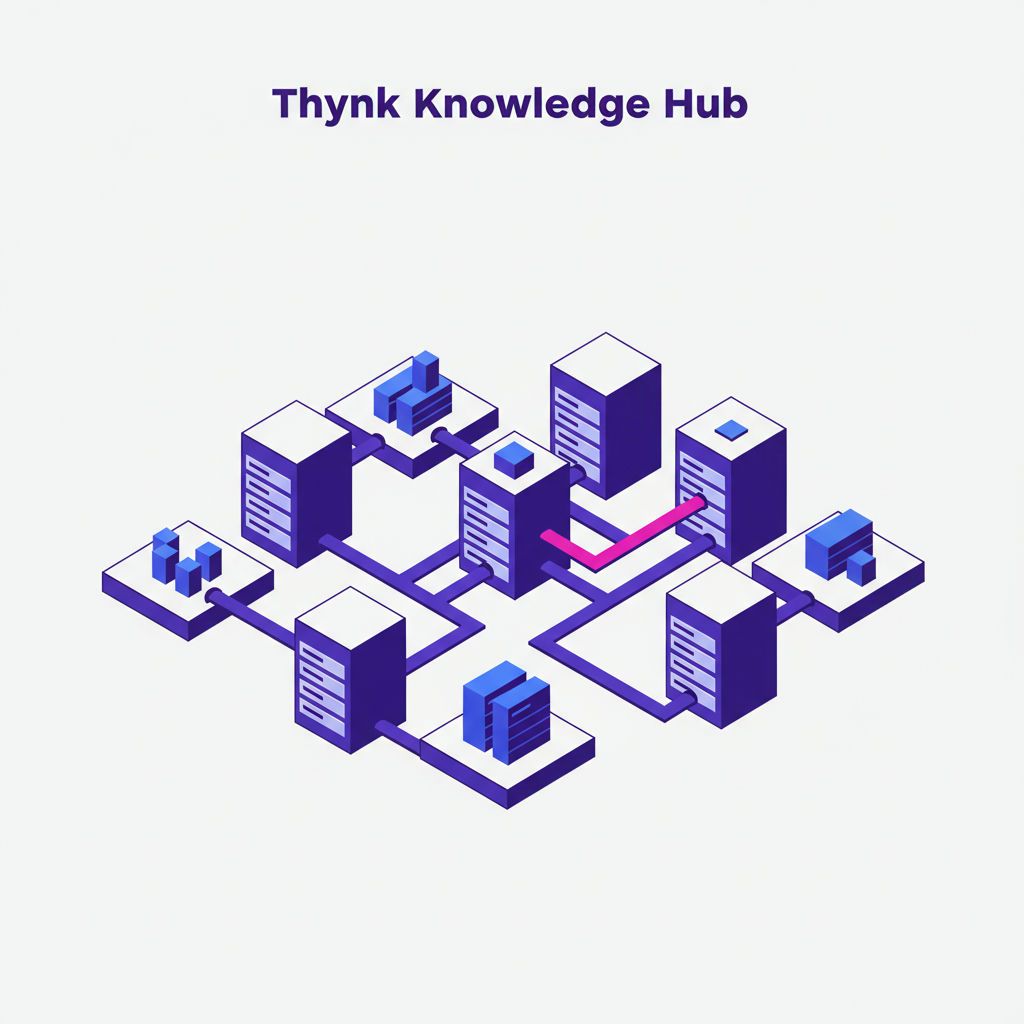
How Fragmented Hotel Data Costs You Revenue
Fragmented hotel data costs hospitality organizations millions annually through missed revenue opportunities, operational inefficiency, and lost guest intelligence. A Salesforce-native hotel CRM eliminates these silos by unifying group bookings, MICE pipeline, account hierarchies, and PMS finance—enabling AI-driven sales automation and revenue optimization across multi-property portfolios.
The Revenue Impact of Hotel Data Silos
Missed Opportunities from Incomplete Context
When hotel data lives in disconnected systems, commercial teams operate without the full revenue picture. A property management system may report 2% reservation growth while the revenue management system shows 7% market demand increase—revealing underperformance hidden by fragmented reporting.
A Salesforce-native hotel CRM consolidates account hierarchies, room-block pickup, group pipeline, and PMS parity finance into unified dashboards. Sales teams access PACE/GRC reporting alongside Cvent RFP integration and GroupSync lead capture in one interface. This unified view transforms isolated metrics into actionable revenue intelligence that drives strategic pricing decisions.
Modern hospitality CRM platforms enable portfolio-wide visibility for multi-property operators. Revenue managers identify pricing gaps, inventory allocation inefficiencies, and underperforming market segments—insights impossible when data remains trapped in departmental silos across branded properties, independent hotels, and extended-stay facilities.
Operational Inefficiency and Labor Waste
Fragmented hotel data forces commercial teams to manually reconcile reports across platforms, increasing training requirements and creating workflow bottlenecks. Sales coordinators spend hours exporting CSV files from legacy systems instead of converting group business. IT teams build custom integrations that break during routine PMS upgrades.
Purpose-built hospitality software on Salesforce eliminates manual data entry through native PMS integrations with Opera, Mews, Stayntouch, and Protel. AI email parsing converts unstructured RFP emails into structured Opportunities automatically. Agentforce agents triage incoming requests, qualify leads against ideal customer profiles, and draft initial proposals—freeing sales teams to focus on high-value accounts and strategic multi-property selling through GSO (Global Sales Office) solutions.
This automation directly impacts sales velocity. Global hotel groups report 40-60% reduction in RFP response time when AI agents handle initial qualification and proposal generation. Sales directors redirect hours previously spent on data reconciliation toward proactive account development, loyalty program engagement, and corporate partnership expansion.
Limited Personalization and Guest Intelligence
Data silos prevent hoteliers from identifying patterns in guest preferences, nationality trends, dietary requirements, and spending behavior across reservation, point-of-sale, and catering systems. Without consolidated intelligence, personalization becomes guesswork—missed opportunities to adjust F&B offerings, pre-arrival communications, or loyalty incentives based on proven guest behavior.
A Salesforce-native venue CRM consolidates guest touchpoints across group bookings, meeting & events software, direct booking channels, and on-property transactions. Sales teams access comprehensive account-level intelligence including previous room-block performance, e-BEO history, tour-series patterns, and F&B preferences. This visibility enables tailored proposals, proactive service adjustments, and personalized outreach that drive repeat business.
For convention centers and meeting venues, unified guest data transforms exhibitor management. Event planners access historical booth preferences, sponsorship patterns, and attendee engagement metrics when developing renewal proposals—increasing contract values and strengthening long-term relationships.
What Causes Hotel Data Fragmentation?
Legacy System Proliferation
Hotels accumulate technology over decades—acquiring independent reservation systems, bolting on revenue management tools, implementing separate sales platforms for group business. Each system stores data in proprietary formats with limited interoperability. PMS vendors prioritize their ecosystem over open integration, creating vendor lock-in that perpetuates fragmentation.
Departmental Purchasing Decisions
When F&B, sales, revenue management, and operations teams select tools independently, data integration becomes an afterthought. Marketing purchases a CRM for customer outreach, sales implements a separate proposal system, catering manages events in standalone software. These parallel technology stacks create data islands that prevent organization-wide intelligence and compound operational inefficiency.
Merger and Acquisition Activity
Hotel groups expanding through acquisition inherit disparate technology stacks from newly acquired properties. A multi-property operator may manage five different PMS platforms, three booking engines, and multiple sales systems across their portfolio. Standardization projects span years while data fragmentation compounds, costing millions in lost revenue optimization opportunities.
Limited Integration Capabilities
Point-solution vendors often lack robust APIs or charge premium fees for integration capabilities. Hotels resort to manual exports, scheduled batch imports, or expensive custom middleware requiring ongoing maintenance. When PMS or booking engine vendors release updates, integrations break—reintroducing data latency and reconciliation requirements that undermine sales performance.
Breaking Down Hotel Data Silos with Salesforce-Native Architecture
Single Source of Truth for Group and MICE Business
Salesforce-native hospitality CRM centralizes inventory across properties, enabling e-proposal generation for multi-property RFPs and account hierarchy roll-up so every department operates from consistent data. Room-block management tracks pickup against contracted allotments in real time. E-BEO and function sheets flow directly from Salesforce Opportunities—eliminating duplicate entry, version conflicts, and manual reconciliation.
This unified approach extends to MICE CRM capabilities, where meeting planners manage complex multi-day conferences with session scheduling, F&B coordination, AV requirements, and billing across departments. Sales directors access complete account history—previous events, contracted rates, special requirements—when developing renewal proposals, increasing contract values through informed upselling.
For extended-stay properties and serviced apartments, the same architecture supports long-term occupancy management, corporate housing accounts, and relocation partnerships. Account managers track renewal dates, preferred unit configurations, and corporate discount structures—ensuring proactive outreach before contracts expire.
AI-Powered Sales Automation and Lead Management
Agentforce agents parse incoming RFPs from Cvent, email, GroupSync, and marketplace channels into qualified Opportunities automatically. AI scoring evaluates leads by segment potential, revenue probability, and strategic fit—routing requests to appropriate sales representatives based on territory, property assignment, or account ownership. Agents draft initial proposals using the Einstein Trust Layer, accelerating response time while maintaining data governance and compliance standards.
This automation transforms lead management economics. Luxury hotel chains process 3-5x more RFPs with existing sales teams, capturing opportunities previously lost to response-time delays. AI qualification reduces wasted effort on low-probability inquiries, directing sales focus toward accounts with genuine conversion potential.
Advanced sales automation for hotels includes predictive analytics identifying accounts approaching renewal dates, properties with declining pickup requiring intervention, and upsell opportunities based on historical spending patterns. Sales directors receive proactive alerts when high-value accounts show engagement signals—enabling timely outreach before opportunities move to competitors.
PMS Parity and Finance Integration
Native PMS integrations ensure bidirectional data synchronization between financial systems and Salesforce. Commissions, deposits, cancellations, actualized revenue, and payment status flow automatically—eliminating manual reconciliation between sales contracts and property-level accounting. PACE reporting compares group pipeline to historical performance, enabling revenue managers to adjust pricing strategies and inventory allocation based on real-time business intelligence.
Finance teams access consolidated reporting across properties, tracking accounts receivable, outstanding deposits, and revenue recognition without exporting data from multiple systems. Month-end close cycles compress from days to hours when financial data syncs automatically between PMS, point-of-sale, and Group CRS platforms.
This integration extends to channel management for distribution partners, OTA connectivity, and direct booking engines. Revenue managers adjust rate strategies based on complete demand signals—group bookings, transient reservations, marketplace inquiries—optimizing total revenue rather than managing channels in isolation.
Multi-Channel Connectivity for Modern Distribution
MCP connectivity enables AI agents to access hotel data through standardized protocols, supporting autonomous booking agents, travel planning tools, and enterprise procurement systems. Channel hub architecture captures leads from Cvent RFP integration, direct booking platforms, and corporate booking tools—routing all inquiries into unified pipeline management.
Convention centers benefit from exhibitor portals integrating with venue management software, allowing event organizers to manage floor plans, booth assignments, and package management in self-service interfaces. This reduces administrative workload while improving exhibitor experience through real-time access to event details and billing information.
B2B CRM capabilities enable sales teams to manage corporate accounts, travel management company relationships, and tour-series business in one interface. Account hierarchies link parent companies to subsidiary locations, enabling portfolio-wide rate negotiations and volume-based pricing agreements. Sales directors identify expansion opportunities when corporate clients add new office locations—proactive outreach that grows account lifetime value.
How to Fix Hotel Data Fragmentation: Implementation Strategy
Assess Current Data Architecture
Begin with comprehensive data flow mapping across PMS, booking engines, revenue management systems, sales platforms, point-of-sale, and back-office finance tools. Document where customer data, reservation details, financial transactions, and sales pipeline information currently reside. Identify redundant data entry points, manual reconciliation processes, and integration gaps causing reporting delays or accuracy issues.
Quantify fragmentation costs: hours spent on manual reporting, revenue lost to slow RFP response times, pricing errors from incomplete demand visibility, and IT resources maintaining custom integrations. This business case justifies investment in purpose-built hotel CRM platforms that eliminate rather than perpetuate data silos.
Prioritize Group and MICE Revenue Consolidation
Most hotels generate disproportionate revenue from group bookings, meetings, and events—yet manage this business in disconnected systems. Prioritize group booking management consolidation first, connecting RFP intake, e-proposal generation, contract execution, room-block management, and event coordination in unified workflows.
Implement AI email parsing to capture unstructured RFP requests and convert them into structured Opportunities. Connect Cvent Supplier Network, GroupSync, and marketplace channels into centralized lead management. Enable sales teams to generate proposals using templates that pull live inventory, approved rates, and property amenities automatically—reducing proposal time from days to hours.
Implement Native PMS Integration
Select Salesforce-native hospitality CRM with pre-built connectors for Opera, Mews, Stayntouch, and Protel—avoiding custom integration development and ongoing maintenance overhead. Configure bidirectional data flows so reservations created in CRM push to PMS automatically, while financial transactions, cancellations, and modifications sync back to Salesforce in real time.
Establish data governance rules determining system of record for different data types: CRM owns sales pipeline and account relationships; PMS manages room inventory and operational details; Salesforce consolidates reporting and business intelligence. Clear ownership prevents conflicts and ensures data accuracy across platforms.
Enable AI Sales Agents with Governance
Deploy Agentforce agents for RFP triage, lead qualification, and proposal drafting—but implement Einstein Trust Layer controls ensuring AI actions comply with brand standards, pricing rules, and data privacy requirements. Configure approval workflows so AI-generated proposals require human review for high-value accounts or non-standard terms.
Train sales teams on AI collaboration models where agents handle repetitive qualification and initial outreach while humans focus on relationship building, complex negotiations, and strategic account planning. Monitor AI performance metrics—qualification accuracy, proposal conversion rates, response times—and refine agent prompts based on results to continuously improve sales velocity.
Extend to Portfolio-Wide Intelligence
For multi-property operators, implement account hierarchy structures linking parent companies to individual properties. Enable GSO (Global Sales Office) workflows where corporate account managers negotiate portfolio-wide rates while property sales teams manage local execution. Roll up pipeline reporting, PACE analysis, and revenue forecasting across properties for portfolio-level visibility.
Connect convention center management systems for venues managing exhibitions, conferences, and public events. Integrate exhibitor portals, space management, and sponsorship tracking so event organizers access complete account history when developing renewal proposals or expanding events to additional dates.
Key Takeaways: Fix Hotel Data Fragmentation
- Context over metrics: Isolated PMS or RMS data misleads decision-making—Salesforce-native hospitality CRM unifies group pipeline, room-block pickup, and finance for accurate forecasting
- Automate, don't reconcile: AI email parsing, Agentforce RFP triage, and native PMS integrations eliminate manual data entry and spreadsheet reconciliation that waste sales capacity
- Personalize at scale: Centralized guest intelligence across meeting & events software, POS transactions, and reservation history enables tailored proposals and loyalty program optimization
- Multi-property intelligence: Account hierarchy roll-up and GSO solutions provide portfolio-wide visibility, enabling corporate rate negotiations and strategic account expansion
- Governed AI acceleration: Einstein Trust Layer and Agentforce ensure data privacy compliance and brand consistency while accelerating sales velocity through intelligent automation
Fragmented hotel data costs hospitality organizations millions in missed revenue, operational inefficiency, and competitive disadvantage. Purpose-built venue CRM on Salesforce eliminates silos by centralizing group bookings, MICE pipeline, PMS finance, and sales automation in one governed, AI-first platform—empowering commercial teams to maximize profitability, accelerate sales cycles, and deliver personalized guest experiences.
Organizations seeking to consolidate hotel data should explore hospitality CRM alternatives built natively on Salesforce, ensuring true architectural integration rather than point solutions layered atop existing fragmentation.
Related Articles
UK Luxury Hotels Groups & MICE Market Intelligence 2024-25: Lead Volume, Deal Sizes & Conversion Rates
UK luxury hotel MICE market intelligence 2024-25: £19.3bn market, 1.08M events, 5-7% avg RFP conversion. Lead volumes, deal sizes, and how to close the conversion gap.
MEDDIC for Hospitality: How Sales Qualification Drives Group Revenue on Salesforce
MEDDIC qualification framework adapted for hospitality group sales: Metrics, Economic Buyer, Decision Criteria, Decision Process, Identify Pain, Champion.
MEDDIC for Hospitality: B2B Sales Qualification Framework for MICE & Group Revenue
MEDDIC—Metrics, Economic Buyer, Decision Criteria, Decision Process, Identify Pain, Champion—adapts complex B2B qualification for hotel group sales.
Comments
No comments yet. Be the first to share your thoughts!
Ready to transform your hospitality operations?
Discover how Thynk can help your venue streamline operations and drive revenue.
Explore Thynk Solutions